In Dash Point, hoarding situations most often come to light through estate processes, property sales that stall at inspection, or family interventions at homes that have been in single ownership for a long time. The neighborhood’s mix of large forested lots and waterfront estates — many held by the same household for decades — creates conditions where accumulation inside and around the property can deepen quietly until a trigger event brings it forward.
Accumulation Patterns on Large Dash Point Properties
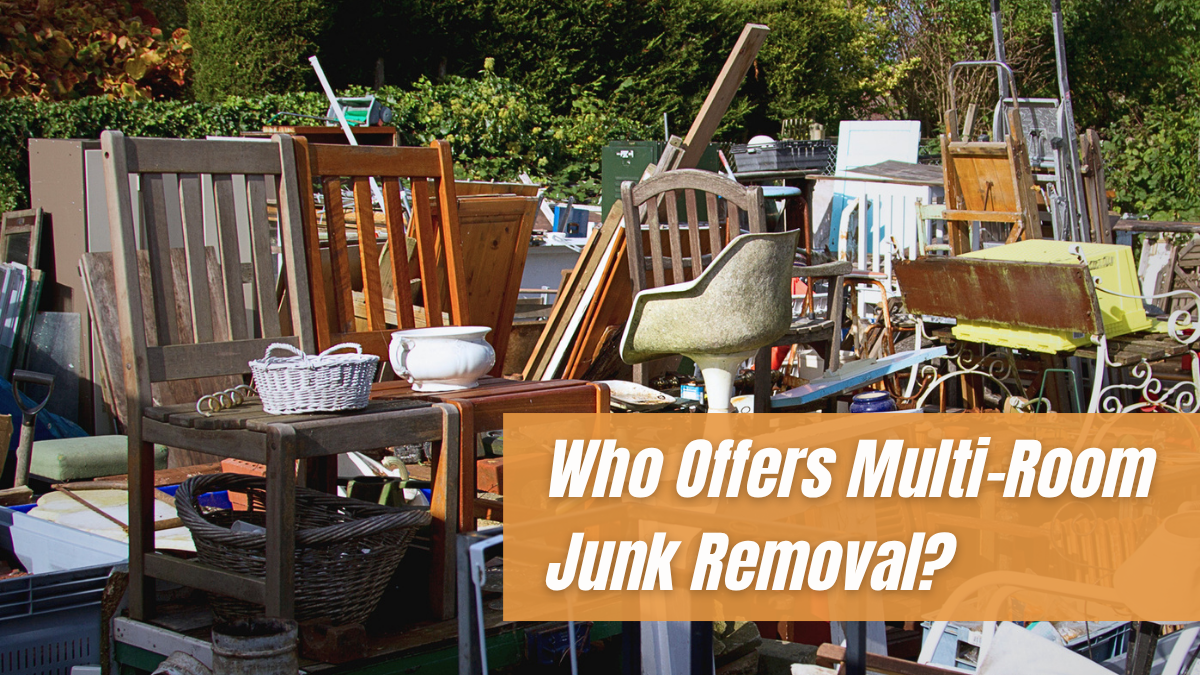
Dash Point properties have more places for accumulation to take root than a standard suburban lot. Main structures are often accompanied by detached garages, workshop sheds, covered storage areas, and in waterfront situations, boat storage structures and dock-side outbuildings. Each of those secondary spaces can absorb years of items that migrate out of the main house — furniture that got replaced but never left, seasonal equipment that stopped being seasonal, materials saved from projects that never happened.
By the time a cleanup is needed, the scope usually extends beyond the interior. What looks like a house-only job on the initial walk-through frequently includes a garage filled wall-to-wall, a shed that can’t be opened fully, and outdoor areas where items have been staged and then forgotten through multiple seasons of Pacific Northwest weather. The full picture only becomes clear once every structure and outdoor space on the property is assessed.
That’s why a structured walkthrough of all spaces — not just the main living areas — is the right first step before any loading begins.
How a Hoarding Cleanup Proceeds at Dash Point
- Full property assessment — every room, closet, hallway, garage, outbuilding, and outdoor storage area is walked before work starts so the total scope is understood and flat-rate pricing can be set accurately.
- Clearing sequence — spaces are prioritized based on access and volume, typically starting where blockage is greatest or where the property owner needs access restored first.
- Systematic removal — items are cleared in passes, working from accessible areas inward, until each space is fully empty rather than partially reduced.
- Heavy and oversized items — appliances, furniture, deteriorated outdoor structures, and large debris are addressed as part of the job, not deferred to a separate visit.
- Outdoor and secondary structure clearance — sheds, garages, covered patios, and any other structures on the lot are cleared as part of the full scope, not left for a follow-up.
- Final walkthrough — all spaces are confirmed clear before the job closes.
Discretion at a Bluff-Top Residential Address
Dash Point is a tight-knit neighborhood on a forested bluff above Puget Sound. Properties are spread across wooded terrain with limited street access on some parcels, which naturally limits neighbor visibility — but the community is small enough that a long or disruptive cleanup operation becomes noticeable. Discreet service — equipment staged efficiently, work completed in as few visits as the scope allows, no extended occupancy of the driveway or street access — is part of what makes the process manageable for families navigating a difficult situation.
Flat-rate pricing means the cost is agreed before any work begins. Licensed and insured service means the job proceeds without exposing the property owner to liability for what gets moved or how it gets handled.
Restoring a Property to a Usable Baseline
The purpose of a hoarding cleanup isn’t to make partial progress — it’s to return the property to a condition where the next step can happen. That might be a listing, a renovation, a family member moving in, or simply the restoration of spaces that haven’t been functional in years. Getting to that baseline requires clearing the full scope of what’s present, including the parts that are difficult to reach, heavily loaded, or spread across multiple structures on a large lot.
Same-day availability and licensed and insured service keep the timeline from stalling once the decision to move forward has been made. The property gets cleared completely — down to the floor in every space — so whatever comes next can start without a partial cleanup still in the way.