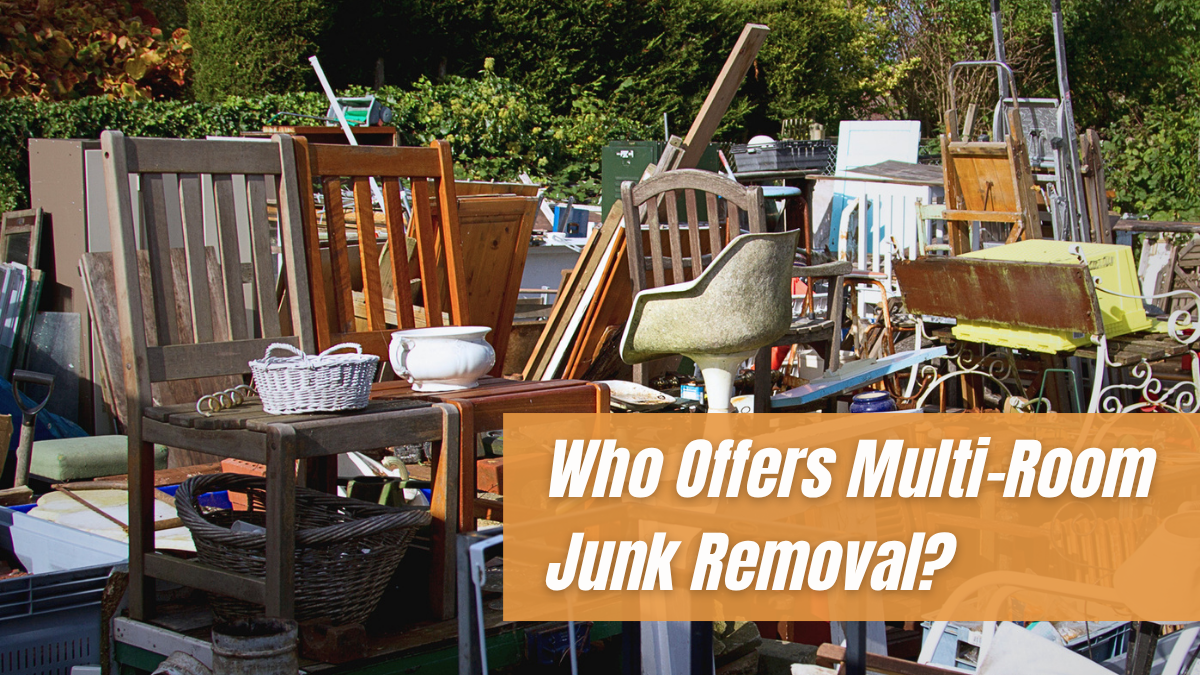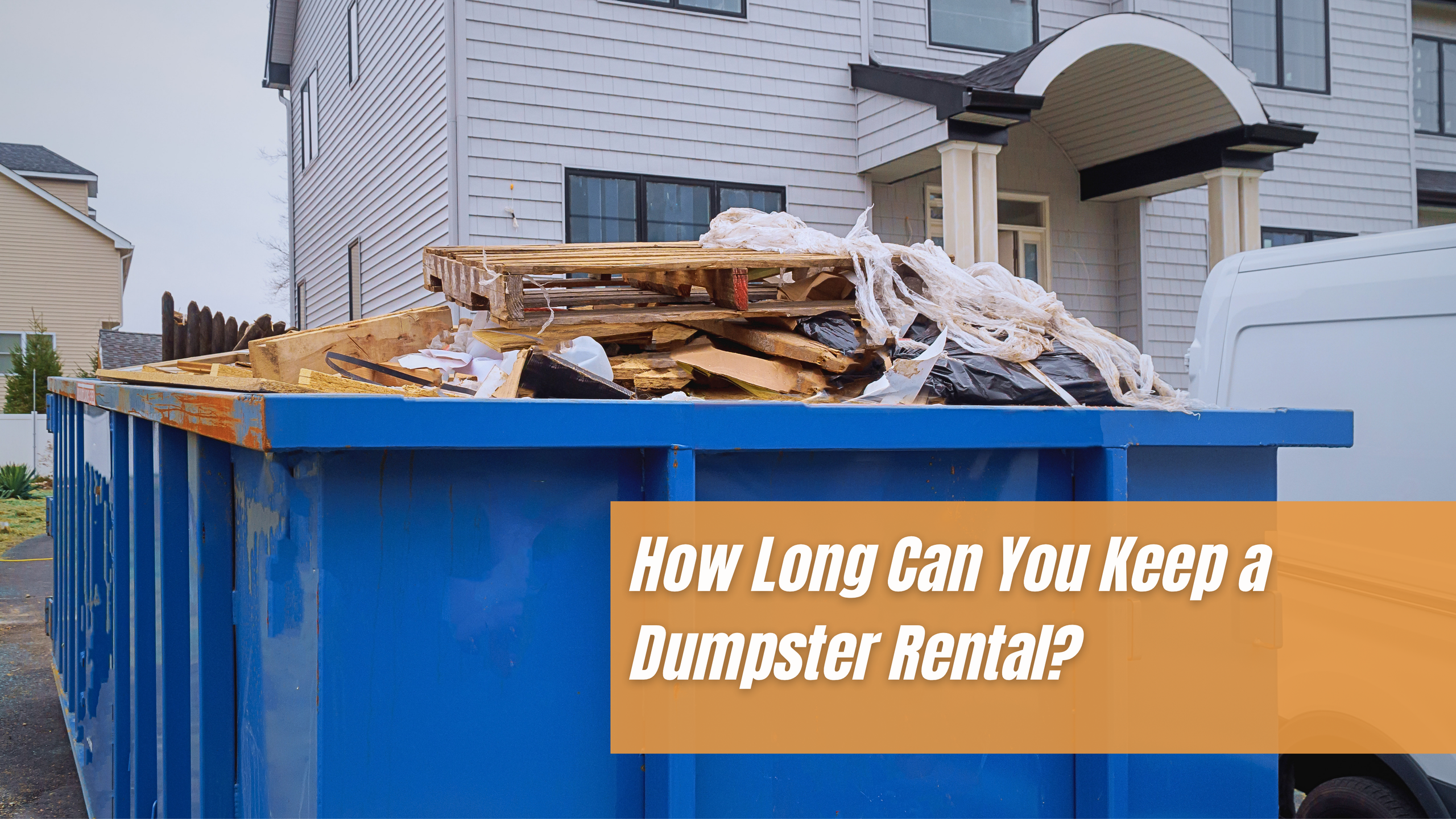
Hoarding cleanup in Lipoma Firs presents a scope that’s often larger than in denser Pierce County communities. Properties here tend to run bigger — detached garages, storage sheds, barns, outbuildings — and the accumulation that characterizes a hoarding situation doesn’t confine itself to the main house when those additional structures are available. The result is a cleanup job that can span multiple buildings on the same lot, each holding distinct categories of material that require different handling to remove. The rural edge of Pierce County also means no municipal bulk service to fall back on, so the full removal burden falls entirely on a single, coordinated job.
Clearing Multiple Structures on a Single Property
Lipoma Firs properties commonly include detached garages, tool sheds, and secondary outbuildings alongside the main residence. In a hoarding situation, these structures absorb overflow — items that no longer fit the house get moved to the garage, the garage reaches capacity, and materials migrate to the shed or outbuilding. A complete hoarding cleanup addresses every structure on the property, not just the spaces visible from the front door. Flat-rate pricing covers that full footprint under a single agreed number, so the cleanup doesn’t stop midway through the outbuilding because the budget was sized for the house alone.
Handling Volume and Density in Accumulated Spaces
Properties where accumulation has been ongoing for years — or decades — develop a density inside each room that slows removal significantly. Pathways narrow, items stack in ways that aren’t immediately stable, and materials of very different types end up intermixed. The removal has to proceed carefully and in sequence: clearing access, working from the perimeter inward, managing what’s unstable before moving what’s underneath. Licensed and insured service means the process handles that density under coverage, including situations where the structure itself shows signs of wear from years of heavy loading.
Discretion in a Rural Neighborhood Setting
Lipoma Firs is a growing community — newer residents who relocated from South Hill, Puyallup, or other Pierce County communities, on larger lots with some distance from immediate neighbors. Even with that distance, a hoarding cleanup involves visible activity: vehicles, material being carried out, and a property undergoing obvious change. Discretion in the process — arriving without making the job a neighborhood event, completing the work efficiently, and leaving the property clean — matters regardless of lot size. Same-day service keeps the timeline compressed: the job that starts in the morning finishes the same day when volume allows.
Properties with Agricultural or Hobby Farm Accumulation
Some Lipoma Firs properties retain working characteristics from their agricultural past — horse paddocks, hobby farms, and outbuildings used for storage of equipment, feed, and supplies. A hoarding situation on this type of property adds an agricultural layer: farm implements, containers, fencing materials, and equipment in various states of disrepair mixed into the general accumulation. That material requires its own handling — some items are heavy enough that extraction needs to account for weight and awkward shape before anything moves.
After the Cleanup: Returning the Property to Use
A hoarding cleanup ends when the property is genuinely clear — not when the main rooms are accessible and the garage is still packed. Full clearing means every structure gets walked and every space gets addressed, including the areas that were hardest to access during the active accumulation period. Once the property is clear, it becomes available for its next use: continued residence, renovation, listing, or transfer. Flat-rate pricing makes the scope of that commitment clear from the start, so there are no unexpected additions as the job moves from the house to the outbuildings to the exterior.