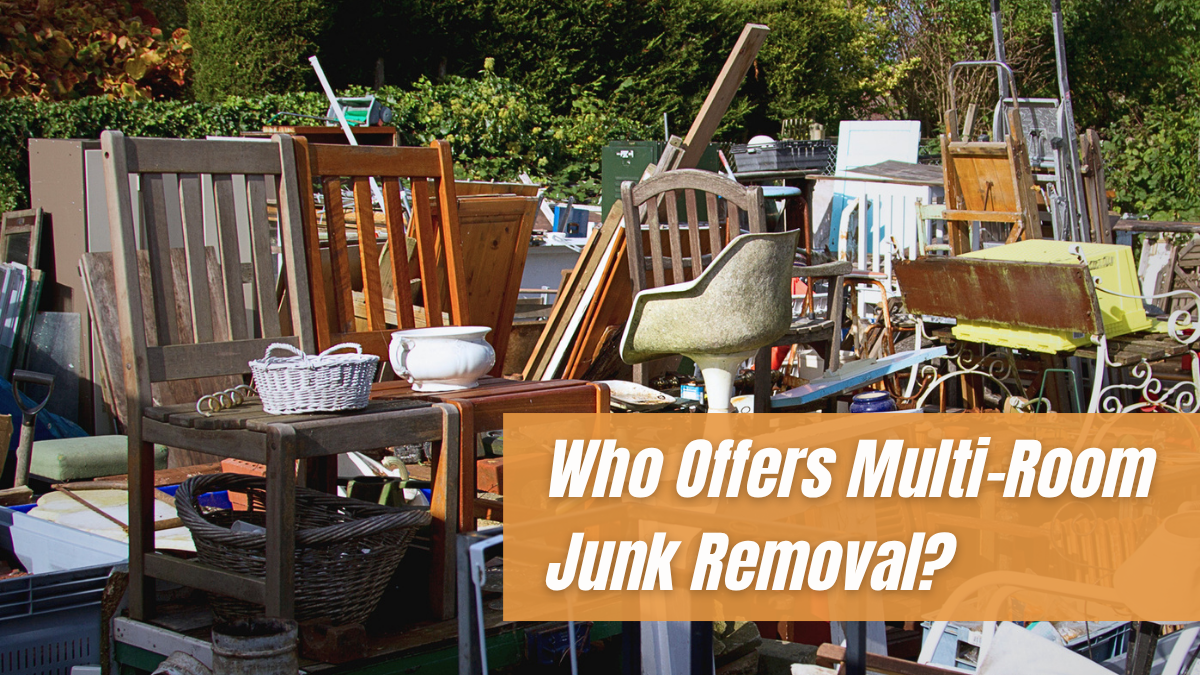
Hoarding cleanup at Lake Tapps properties presents a particular scope challenge. The larger lots, multiple outbuildings, and decades of accumulated lifestyle gear that characterize many lakefront homes mean that the volume of material extends well beyond the main house. A cleanup that addresses only what is visible from the front door often leaves the boat shed, the detached garage, and the storage area behind the dock untouched — and those structures frequently hold as much accumulated material as the interior living spaces.
The Full Footprint of a Lake Tapps Hoarding Situation
Lake Tapps properties typically include structures beyond the main house: attached garages, detached storage buildings, boat sheds, and in some cases converted docks with enclosed storage. A hoarding situation across a property like this doesn’t compress into a single room or a single structure. Material expands to fill available space, and on a property with four or five separate spaces, the total volume can be substantial.
Flat-rate pricing covers the full footprint — every structure on the property assessed before a price is confirmed, so there are no surprises when the boat shed turns out to hold as much material as the living room.
Long-Term Lakefront Properties and Accumulated Volume
Many Lake Tapps homes have been owner-occupied for decades. Lakefront living generates its own accumulation pattern: successive generations of water sports equipment, seasonal furniture that was moved to storage and never returned to use, dock hardware from previous configuration changes, outboard motors that stopped working and got stored for a future repair that never came. When a hoarding situation develops in this environment, it layers over an already substantial baseline of property-specific gear.
Same-day service means the cleanup doesn’t wait in a queue. When the decision to clear the property gets made — whether by the resident, a family member, or an estate representative — the removal gets scheduled immediately and the process starts without a weeks-long lead time.
Handling Sensitive Material with Discretion
Hoarding cleanups involve personal belongings, documents, photographs, and items with sentimental or financial value mixed into accumulated material. The process of identifying what to keep and what to remove requires a careful, non-judgmental approach. Licensed and insured service means the cleanup proceeds in a documented, professional manner — not as a rushed disposal, but as a structured clearance that accounts for what matters to the property owner or their family.
Items identified for retention get set aside cleanly before any disposal begins. The clearing proceeds through each space systematically so that nothing important gets lost in the volume.
Clearing Dock and Marine Storage Areas
Lake Tapps hoarding cleanup often includes dock storage areas that municipal waste services cannot access — areas built into or adjacent to the dock structure, low-clearance boat sheds, and covered storage platforms. These spaces accumulate boat parts, fishing equipment, seasonal water sports gear, dock hardware, and general storage overflow. Clearing them requires physical access that standard hauling services don’t provide.
Flat-rate pricing covers these difficult-access areas as part of the same job. The dock storage gets cleared alongside the garage and the main house under a single scheduled service.
After the Cleanup: Getting the Property Ready for What’s Next
For Lake Tapps properties, hoarding cleanup often feeds directly into a next step — listing preparation, estate settlement, renovation, or family use. The property needs to be fully cleared before any of those next steps can begin. Complete removal across all structures, confirmed under flat-rate pricing before work starts, means the property is ready for its next chapter when the cleanup is done — not mostly ready, with a few structures still holding accumulated material.