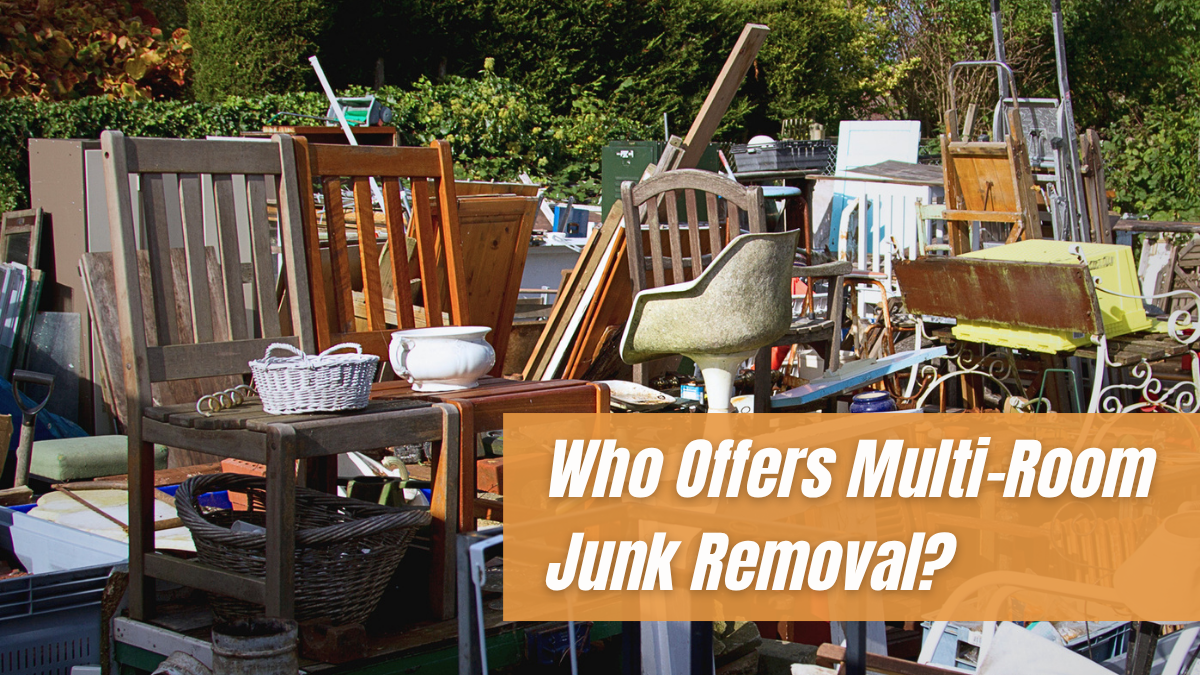
Garage cleanouts in Fife almost always produce more than expected. The attached garages and detached carports common in Fife’s older residential neighborhoods tend to absorb decades of accumulated material — and a space that looked manageable from the door turns into a significant haul once the sorting starts.
How garages in older Fife homes accumulate
Fife’s mid-century ranch homes were built with garages designed for one car and modest storage. Over fifty or sixty years of occupancy, those spaces fill in predictable layers: tools from projects done and forgotten, furniture moved out of the house but not yet discarded, sports equipment from multiple eras of childhood, appliances replaced but not removed, boxes of materials from jobs that needed finishing, and the general overflow of a household that ran out of interior space.
By the time a cleanout is needed — triggered by a sale, an estate settlement, a property refresh, or simply a decision that enough is enough — the garage is often inaccessible and contains material spanning multiple categories: furniture, appliances, tools, hazardous materials like old paint cans and chemicals, and general household debris.
What a Fife garage cleanout actually involves
A garage cleanout isn’t just loading and hauling. The variety of material typically requires on-site sorting to separate what can be removed in standard service from items that require special handling:
- Furniture and large items — removed as standard; sofas, dressers, shelving units, and exercise equipment all qualify.
- Appliances — included in the load; refrigerators, chest freezers, washers, and dryers removed and handled according to appliance disposal requirements.
- Tools and hardware — standard removal for hand tools, small power tools, and hardware in bulk; large shop equipment assessed on-site.
- Hazardous materials — old paint, solvents, and certain chemicals require separate handling and cannot go in the standard load; these get flagged during the walkthrough and routed through appropriate disposal channels.
- General debris — broken items, bagged trash, scrap materials, and miscellaneous accumulation handled in the main load.
Flat-rate pricing covers the full qualifying volume confirmed at the start of the job, so there are no surprises when the truck is loaded.
Garages tied to estate and sale timelines
Fife garage cleanouts frequently come attached to a deadline. An estate being settled needs the property listed by a specific date. A property being sold has a buyer who expects the garage to transfer empty. A rental unit needs to be ready for the next tenant. In each case, the cleanout is blocking the next step, and the timeline isn’t flexible.
Same-day service means a morning call can result in an empty garage by afternoon. Licensed and insured service covers the work if the property is in a legal transition — probate, REO disposition, or active sale — where documentation of work performed matters.
Commercial and light industrial garage equivalents
Fife’s commercial properties — auto dealers, small warehouses, storage yards, and light industrial operations along the SR-99 corridor — have their own version of the garage cleanout problem: back rooms, storage bays, and detached outbuildings that accumulate material over years of operation. When a commercial tenant vacates or a facility transitions, those spaces need to be cleared under the same timeline pressure as residential garages, often with larger volume and heavier items.
Commercial cleanout service handles those spaces under the same flat-rate model — priced up front, licensed and insured, same-day when the schedule demands it.
The case for clearing the garage rather than reorganizing it
Moving material around inside a garage solves the immediate visual problem without addressing the underlying volume. A cleanout gets the space back to usable baseline — whether that means parking a car, setting up a workshop, or simply having clear access to the back wall again. The full load leaves in a single trip, and the garage gets handed back empty for whatever comes next.