Garages on Tapps Island accumulate a particular kind of inventory. The combination of year-round or vacation residential use, waterfront recreational activity, and the island’s physical isolation creates storage patterns that fill garages faster and hold items longer than most mainland residential properties. When a garage cleanout becomes necessary — whether ahead of a renovation, a sale, a rental transition, or simply because the space has reached its limit — the job involves categories of gear and equipment that reflect the island’s unique character.
The Tapps Island Garage Inventory
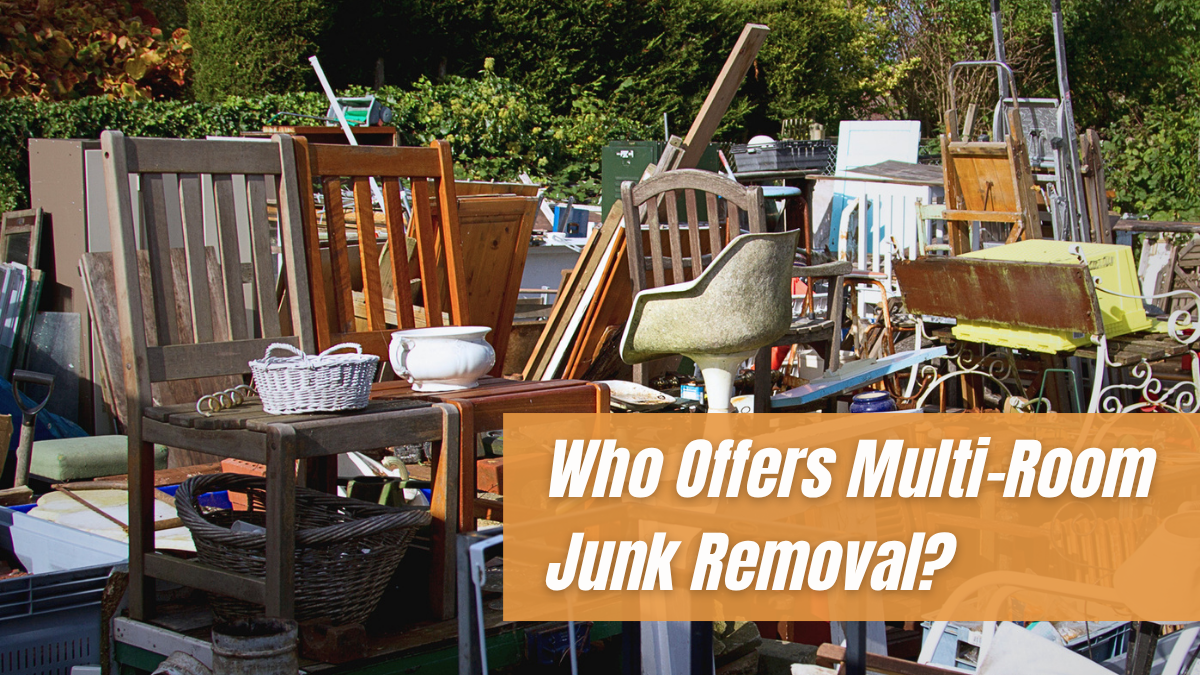
Island garages on Tapps Island don’t hold just cars and boxes. They hold the accumulated infrastructure of waterfront recreational life: boat accessories and dock hardware, kayak and paddleboard equipment, water skiing and tubing gear, fishing equipment across multiple generations of ownership, seasonal storage for outdoor furniture that moves indoors during winter, and the general accumulation of tools, hardware, and maintenance supplies for a property that often operates without easy access to mainland home improvement stores.
A garage cleanout that addresses the full inventory — not just the obvious bulk items but the shelving contents, the wall-hung gear, the overhead storage, and the floor-level accumulation in the back corners — delivers a space that’s actually usable again. Flat-rate pricing covers the full scope under one agreed number before any item is moved.
Vacation Property Garage Accumulation Patterns
Many Tapps Island properties are used part-time, which creates a specific accumulation dynamic. Items brought to the island that didn’t get taken back accumulate across visits and seasons. A garage that seemed manageable three visits ago may have crossed the threshold into unusable storage by the time the owner returns for a full summer stay. The pace of accumulation isn’t steady — it spikes with each visit that ends with “we’ll deal with this next time.”
Same-day service covers Tapps Island when access is confirmed, which means a garage cleanout can be scheduled to coincide with a property visit rather than requiring a separate trip back to the island just to oversee removal.
Clearing Garages in Older Cottages Being Renovated
Renovation projects on Tapps Island often start with the garage. An older lakefront cottage being updated or rebuilt may have a detached garage that’s operated as the property’s primary storage space for decades. Before renovation work can start — or before the property transfers to a new owner — that storage has to be cleared completely.
These older cottage garages tend to hold items that have been in place for a long time: tools and hardware from decades of property maintenance, furniture displaced during earlier partial renovations, seasonal equipment stored and never retrieved, and the general accumulation of a property that has passed through multiple generations of family ownership. A complete garage cleanout handles all of it, regardless of age or condition.
Licensed and Insured Service for High-Value Properties
Custom homes on Tapps Island often have garages with finished interiors — epoxy floors, built-in cabinetry, drywall and paint rather than exposed studs. Extracting a garage full of accumulated items from a finished space requires care that an unfinished utility garage doesn’t. Licensed and insured service means the cleanout proceeds with coverage: floors stay intact, cabinetry stays undamaged, and the finished garage surfaces that define a custom home’s storage quality remain in the condition they were in before removal started.
What Happens to the Space After the Cleanout
A completed garage cleanout on a Tapps Island property is typically the first step toward something: a renovation that starts with a cleared work area, a staging preparation before listing, a transition from primary-residence to vacation-rental use that requires a neutral and usable storage space, or simply reclaiming a functional area that has been used as long-term dead storage. The cleanout delivers the empty starting point — what happens next is the property owner’s to decide.