Estate clean outs in the Lakewood Towne Center district look different from rural or suburban estate work. The properties here are predominantly apartments, condos, and townhomes in multi-unit buildings — not freestanding homes with garages, outbuildings, and yards full of decades-old accumulation. What that means in practice is that the estate is contained within a single unit: a two-bedroom apartment, a ground-floor condo, a townhome in a complex that dates to the 1970s or 1980s. Long-term residents in these units can accumulate a significant volume within that footprint, and the estate clean out has to address all of it within the constraints of a multi-unit building — shared hallways, elevator access, building management coordination, and a timeline that typically runs to a lease-end or property-transfer date.
Long-Term Residents in Older Apartment and Condo Units
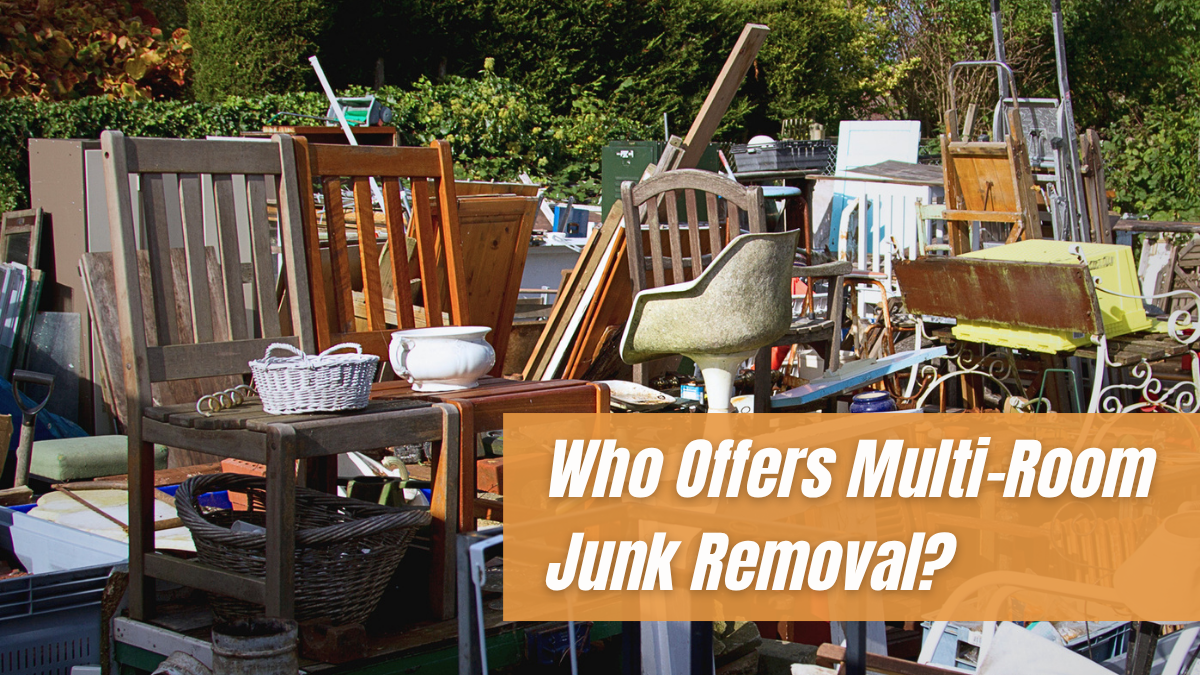
The apartment and condo buildings adjacent to the Lakewood Towne Center commercial core include housing stock that has been in place since the 1960s and 1970s. Some of these units have had the same occupant for twenty or thirty years. When a long-term resident passes or a family manages an estate in one of these units, the accumulation inside reflects that full span of residency — furniture through multiple decades, appliances, stored personal effects, closets packed with clothing and household goods, and the general volume that builds up when a unit hasn’t been decluttered in years.
The estate clean out addresses all of it. Flat-rate pricing covers the full unit under a single confirmed number before work begins — no per-item billing that creates uncertainty about what the final invoice will reach.
Managing Hallway and Common Area Access During Removal
Removing the contents of an apartment or condo estate in a multi-unit building requires navigating shared spaces — hallways, stairwells or elevators, lobby areas, and exterior exits to where the removal vehicle is staged. Those spaces serve other residents, and the estate clean out has to happen without blocking common areas for extended periods or disrupting building operations.
Same-day estate clean out means the job gets completed within the day it’s scheduled rather than stretching across multiple visits that require repeated coordination with building management. The unit clears, the common areas return to normal use, and the property manager has what’s needed to move forward with the unit’s next step.
Coordinating with Property Managers and Building Access Rules
Estates in multi-unit residential buildings near Lakewood Towne Center typically involve a property manager in addition to the heirs or estate executor. The property manager has rules about when moves can happen, which entrance must be used, elevator reservation requirements, and how long a removal vehicle can stage in the loading area. Estate clean out in this setting gets coordinated with those requirements from the start so the job doesn’t get held up by a building policy that wasn’t anticipated.
Licensed and insured service gives the property manager confidence that the removal is covered — the building’s common areas and any incidental contact with walls or doorframes during the extraction are handled professionally.
Tight Timelines from Estate Settlement to Unit Turnover
Pierce County probate timelines, sibling agreements between heirs, and the property manager’s need to return the unit to active rental use all create pressure on the estate clean out to happen quickly. An estate unit that sits full and unsettled while heirs wait on hauler availability delays the property manager’s ability to rent the space and adds carrying costs to the estate in the form of ongoing rent or maintenance obligations.
Flat-rate, same-day estate clean out eliminates that delay. The removal gets scheduled when the estate is ready, the unit clears the same day, and the estate can move toward settlement without the clearing step holding up the timeline.
After the Clean Out: Unit Condition and Next Steps
A completed estate clean out leaves the unit empty and broom-clean — ready for the property manager to assess condition, schedule repairs or renovations, and list the unit for the next occupant. That handoff is cleaner and faster when the clean out happens efficiently and completely, with nothing left behind that requires a follow-up visit.