A clean business environment does more than make a good first impression. It creates a space where employees can focus, customers feel welcome, and daily operations run smoothly. From spotless office floors to well-maintained restrooms, cleanliness plays an important role in how people experience a business.
But keeping a commercial property clean takes more than an occasional sweep or wipe-down. Different buildings have different cleaning needs, and busy facilities require consistent attention. That is where professional commercial cleaning services come in.
In this guide, we will explain what commercial cleaning services are, explore their common types, discuss their benefits, and highlight the features businesses should look for when choosing a cleaning provider. Whether you manage an office, retail store, or industrial facility, understanding these services can help you maintain a healthier and more professional environment.
What Are Commercial Cleaning Services and Why Do They Matter?
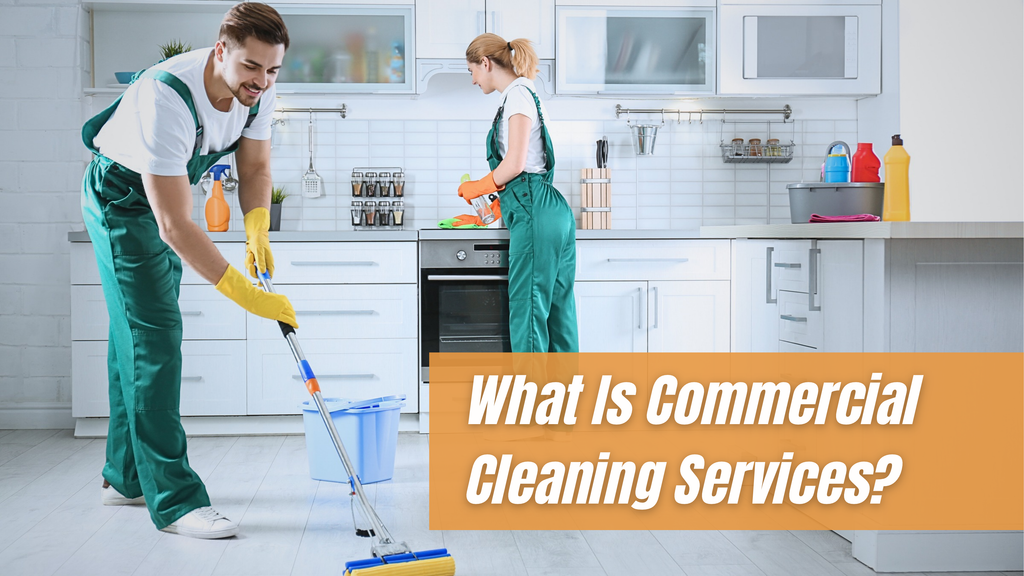
Commercial cleaning services are professional cleaning solutions designed for businesses, organizations, and other non-residential properties. These services help maintain cleanliness, hygiene, and appearance in workplaces that experience regular employee, customer, or visitor activity.
Unlike routine household cleaning, commercial cleaning often involves larger spaces, specialized equipment, scheduled maintenance, and cleaning procedures suited to a building’s purpose. A professional team may handle everything from dusting desks and emptying waste bins to sanitizing shared surfaces and maintaining floors.
For example, an office may need regular workstation cleaning, while a retail facility may require frequent attention to entrances, display areas, and customer walkways. Medical facilities can have additional hygiene requirements because patients and staff use shared spaces throughout the day.
For Hoss Junk Removal, understanding the importance of a well-maintained commercial space means recognizing how cleanliness contributes to a more organized and welcoming property. Businesses benefit when they maintain their environments consistently, rather than waiting until dirt and clutter become noticeable.
Office Cleaning: Creating a Productive Workplace
Office cleaning is one of the most common forms of commercial cleaning. Offices contain desks, meeting rooms, kitchens, restrooms, reception areas, and shared equipment that can collect dust and dirt throughout the workday.
A well-planned office cleaning routine helps employees work in a comfortable environment and gives visitors a positive impression of the company. Clean workspaces can also make it easier to maintain an organized atmosphere.
Typical office cleaning tasks include:
- Dusting desks, shelves, furniture, and accessible surfaces.
- Cleaning floors, carpets, and frequently used walkways.
- Emptying waste bins and maintaining common areas.
- Cleaning restrooms, kitchens, and break rooms.
- Wiping high-touch surfaces such as door handles and shared equipment.
Task frequency depends on office size, occupancy, and the company’s operating schedule. Some businesses need daily attention, while smaller offices may benefit from a less frequent maintenance plan.
Professional office cleaning lets staff focus on their responsibilities instead of spending valuable time on routine cleaning.
Commercial Cleaning Benefits for Businesses and Customers
A clean facility supports several important business goals. While appearance is an obvious benefit, professional cleaning can also improve employee comfort, organization, and the upkeep of building materials.
A stronger first impression: Customers often notice a business’s condition as soon as they enter. Clean floors, tidy reception areas, and fresh-smelling spaces can help communicate professionalism and attention to detail.
A more comfortable workplace: Dust, spills, overflowing waste bins, and poorly maintained restrooms can make employees uncomfortable. Regular cleaning helps keep these common problems under control.
Support for hygiene: Cleaning removes dirt and debris, while appropriate disinfecting products can reduce germs on selected surfaces when used as directed. This is particularly relevant for shared spaces and high-touch areas.
Better property maintenance: Dirt and residue can gradually affect flooring, fixtures, and other surfaces. Consistent care helps businesses identify maintenance concerns early and avoid unnecessary wear.
More time for core activities: Outsourcing routine cleaning tasks gives employees and managers more time to focus on customer service, daily operations, and business priorities.
Hoss Junk Removal understands that a clean and organized property can make everyday business activities easier. However, the exact benefits depend on the cleaning plan, the facility’s condition, and how consistently the work is performed.
Retail Cleaning: Keeping Customer-Facing Spaces Welcoming
Retail cleaning focuses on stores, showrooms, shopping spaces, and other locations where customers browse, shop, and interact with employees.
These environments can become dirty quickly because of steady foot traffic. Customers may bring in mud, dust, or moisture, while product displays and checkout counters need regular attention to remain presentable.
Retail cleaning commonly includes maintaining entrance areas, removing visible debris, cleaning floors, wiping counters, and keeping fitting rooms and restrooms tidy. Glass doors and display surfaces may also require frequent cleaning to maintain a polished appearance.
A retail cleaning schedule should reflect customer traffic and store hours. For instance, entrance floors may need extra attention during rainy weather, while checkout areas require consistent care throughout the day.
Cleaning at suitable times also matters. Work performed before opening, after closing, or during quieter periods can reduce disruption to customers and employees.
When a store looks clean and organized, customers can focus on the products and services offered rather than distractions caused by neglected surroundings.
Industrial Cleaning: Maintaining Demanding Facilities
Industrial cleaning serves environments such as manufacturing buildings, warehouses, workshops, and production facilities. These spaces may contain machinery, storage areas, heavy foot traffic, and specialized surfaces that require careful maintenance.
Unlike basic office cleaning, industrial cleaning may involve removing accumulated dust, grease, residue, or other operation-related materials. The appropriate methods depend on the work being performed and the surfaces being cleaned.
Common tasks include cleaning floors in production areas, maintaining employee break rooms, removing general waste, and cleaning dirt around storage or equipment zones.
Safety is especially important in industrial environments. Cleaning teams should understand site procedures, use appropriate protective equipment, and avoid interfering with machinery or restricted areas. Certain industrial cleaning tasks may require specialized training, equipment, or approved handling procedures.
Businesses should select cleaning services that understand their facility’s specific requirements. A general maintenance routine may suit shared spaces, while production areas may need a more carefully coordinated approach.
Floor Cleaning: Protecting Surfaces and Improving Appearance
Floors are among the most heavily used parts of a commercial building. Employees, customers, delivery workers, and visitors can bring dirt and moisture inside, causing surfaces to wear or become slippery if they are not maintained.
Professional floor cleaning involves choosing methods suited to the floor’s material and condition. Carpet, tile, vinyl, concrete, and hardwood do not all respond to the same cleaning products or equipment.
Depending on the facility, floor care may include vacuuming, sweeping, damp mopping, machine scrubbing, or periodic deep cleaning. Some surfaces may also require specialized maintenance to preserve their finish.
Regular floor cleaning can help businesses:
- Remove dirt and buildup before it becomes difficult to manage.
- Maintain a neat appearance in entrances and customer areas.
- Address spills promptly and reduce avoidable slip hazards.
- Protect flooring from premature wear caused by abrasive debris.
Cleaning teams should use products and methods suited to the surface. Excess moisture, harsh chemicals, or unsuitable equipment can damage certain floors.
A practical floor maintenance schedule considers traffic levels, seasonal conditions, flooring material, and how much dirt enters the building.
Janitorial Services and the Key Features of Professional Cleaning
Janitorial services generally involve recurring cleaning and maintenance tasks that keep a commercial property in good condition. They may be part of a broader commercial cleaning program or arranged as a dedicated service.
A dependable cleaning provider should offer more than a basic list of tasks. Businesses should consider whether the provider can create a schedule that suits their facility and maintain consistent service standards.
Important features to look for include:
A customized cleaning plan: The provider should consider building size, occupancy, operating hours, surface types, and areas that need more frequent attention.
Reliable scheduling: Consistent service helps prevent missed cleaning tasks. Businesses should understand when cleaners will arrive and which duties are included.
Trained commercial cleaners: Staff should know how to use cleaning products and equipment properly, protect different surfaces, and follow relevant site procedures.
Appropriate cleaning and disinfecting practices: A professional team should distinguish between removing dirt and disinfecting surfaces. Products should be used according to label directions and the needs of the facility.
Clear communication: Customers should have a straightforward way to discuss concerns, request adjustments, and confirm which tasks are included in their agreement.
Hoss Junk Removal encourages businesses to consider their specific property needs when evaluating cleaning and related maintenance solutions. A suitable provider should be transparent about its capabilities and help customers understand what their service covers.
Cleaning Services for Medical Facilities and Specialized Spaces
Medical facilities, including clinics and healthcare offices, require particular attention to cleanliness. Patients, staff, and visitors share waiting rooms, examination spaces, restrooms, and other areas throughout the day.
Cleaning in these settings must account for the facility’s hygiene procedures and applicable requirements. Routine tasks may include maintaining floors, cleaning waiting areas, and addressing high-touch surfaces. Disinfecting procedures should follow approved product instructions and the healthcare facility’s protocols.
Not every commercial cleaning provider is equipped to handle specialized healthcare environments. Businesses should verify that a provider has the relevant training, procedures, and experience before assigning sensitive cleaning duties.
Other facilities may also need tailored services. Schools, fitness centers, restaurants, and shared workspaces each have different usage patterns and cleaning priorities.
The right approach begins with understanding how the building operates. A customized plan can help address the areas that matter most without applying the same routine to every facility.
How to Choose the Right Commercial Cleaning Provider
Selecting a cleaning provider is an important decision for any business. The right choice depends on the property’s needs, the level of service required, and the provider’s ability to deliver reliable results.
Start by identifying the areas that need attention. Consider whether your business requires daily office cleaning, periodic floor maintenance, retail cleaning, or specialized industrial cleaning.
Next, ask potential providers about their experience, scheduling options, cleaning procedures, and service limitations. Request a clear explanation of what is included, how additional work is handled, and how concerns are resolved.
It is also helpful to consider flexibility. Business needs can change during busy seasons, renovations, or periods of increased occupancy. A provider that can discuss reasonable adjustments may be better suited to long-term maintenance.
Finally, avoid choosing a service based on price alone. A useful comparison considers the tasks included, the consistency of service, communication, and whether the provider can meet the property’s actual requirements.
A Cleaner Business Starts With the Right Plan
Commercial cleaning is an essential part of maintaining a professional, comfortable, and well-organized business environment. From office cleaning and retail maintenance to industrial cleaning and floor care, each service helps address the specific demands of a commercial property.
Understanding what your facility needs makes it easier to select an appropriate cleaning schedule, set clear expectations, and maintain a space that employees and customers can appreciate.
When clutter, unwanted materials, or general property upkeep become concerns, Hoss Junk Removal can be a starting point for exploring suitable removal solutions.
Give your business space to shine: contact Hoss Junk Removal to discuss your cleanup needs and take the next step toward a cleaner, more organized property.