Is Styrofoam Recyclable or Garbage?
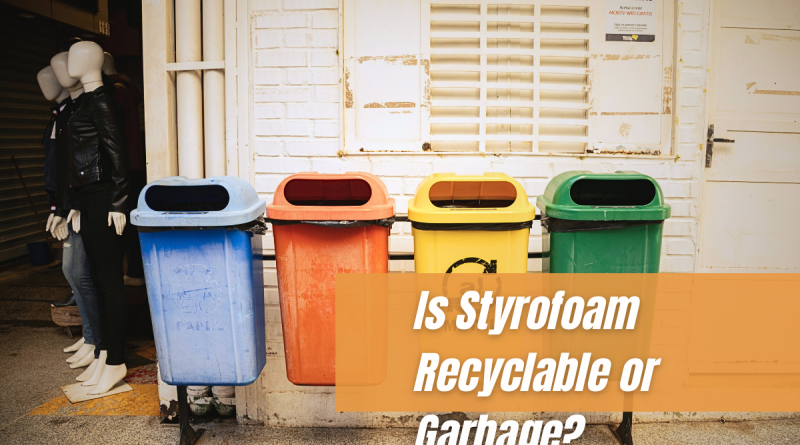
Styrofoam is everywhere, yet it remains one of the most confusing materials to deal with when cleanup day arrives. From takeout containers to protective packaging, many people pause and wonder, is styrofoam recyclable or garbage? Understanding the right answer matters not just for cleanliness but for sustainability and responsible waste management. This clear and practical recycling guide will help you make informed decisions while showing how Hoss Junk Removal supports smarter disposal choices for homes and businesses alike.
Is Styrofoam Recyclable or Garbage? Understanding the Basics
To answer the question is styrofoam recyclable or garbage, it helps to start with what styrofoam really is. Styrofoam is a brand name often used to describe expanded polystyrene, also known as EPS. This lightweight foam is popular for insulation and packaging, but it presents challenges in recycling.
Styrofoam does not break down naturally and can linger in landfills for decades. However, that does not automatically make it garbage in every situation. Whether it belongs in trash or recycling bins depends on local resources and recycling facilities.
Key points to understand include:
- Styrofoam is technically recyclable, but not universally accepted
- Many curbside recycling programs do not accept styrofoam
- Special foam recycling programs may be required
This confusion is why professional services like Hoss Junk Removal are often called to help sort and dispose of materials responsibly.
Styrofoam and Polystyrene Explained Simply
Styrofoam is made from polystyrene, a petroleum-based plastic that expands into foam when air is added. This structure makes it lightweight but also bulky, which complicates recycling efforts.
Polystyrene foam is commonly found in:
- Food containers and cups
- Protective packaging for electronics
- Packing peanuts and insulation boards
Because it is mostly air, transporting styrofoam to recycling facilities is costly. Many centers focus on more profitable recyclables like cardboard and metal, leaving styrofoam out of standard recycling programs. Hoss Junk Removal often encounters large volumes of foam during cleanouts and understands how to handle it properly.
Recycling Facilities and Why Many Do Not Accept Styrofoam?
Not all recycling facilities are equipped to process EPS. Foam recycling requires specialized machinery to compress the material before it can be reused. Without this equipment, styrofoam ends up treated as garbage.
Reasons many recycling facilities do not accept styrofoam include:
- High transportation costs due to low density
- Limited demand for recycled polystyrene
- Contamination from food residue
When people place styrofoam in recycling bins without checking the guidelines, it can contaminate other recyclables. This is why Hoss Junk Removal emphasizes proper sorting and disposal during junk removal projects.
EPS Recycling and Foam Recycling Programs That Work
EPS recycling programs do exist, and they can make a real difference when used correctly. EPS recycling focuses on clean, dry foam that can be compressed and reused in new packaging or insulation materials.
Successful foam recycling usually requires:
- Clean styrofoam free of food or liquids
- Separation from other recyclables
- Transport to approved drop-off locations
Some communities offer special EPS recycling days or partner with private recyclers. Hoss Junk Removal stays informed about available resources and can guide customers back to the right disposal options.
How to Recycle Styrofoam the Right Way?
If you want to recycle styrofoam responsibly, preparation matters. Improper handling can turn recyclable foam into trash.
Follow these steps as part of a practical recycling guide:
- Rinse food containers thoroughly and let them dry
- Remove tape, labels, and cardboard from packaging
- Check if local recycling facilities accept styrofoam
- Use designated drop-off locations instead of curbside bins
By following these steps, you reduce contamination and increase the chance that styrofoam recyclable materials are processed correctly. When the volume becomes overwhelming, Hoss Junk Removal can step in to manage foam recycling efficiently.
Garbage or Recycling Bins? Making the Right Call at Home
One of the biggest mistakes people make is placing styrofoam in recycling bins without checking local rules. In many areas, this causes entire loads of recyclables to be rejected.
Use this simple decision guide:
- If your city does not accept styrofoam, place it in trash
- If EPS recycling is available, use approved drop-off locations
- When in doubt, do not guess and review local resources
Choosing the wrong bin can undo good intentions. Hoss Junk Removal often educates customers during cleanouts, helping them understand when styrofoam disposal belongs in garbage and when recycling is an option.
Sustainability Concerns and the Environmental Impact of Styrofoam
Styrofoam raises serious sustainability concerns. Because it breaks into small pieces, it easily escapes landfills and enters waterways, harming wildlife and ecosystems.
Environmental issues linked to styrofoam include:
- Long decomposition time
- Microplastic pollution
- Limited recycling infrastructure
Reducing styrofoam use and recycling whenever possible helps limit its impact. Businesses and homeowners working with Hoss Junk Removal often take this opportunity to rethink packaging choices and adopt more sustainable alternatives.
Professional Styrofoam Disposal Solutions with Hoss Junk Removal
Handling large amounts of styrofoam can be frustrating and time consuming. Whether it comes from a renovation, office cleanout, or appliance packaging, foam takes up space quickly.
Hoss Junk Removal offers professional solutions that prioritize responsible disposal. The team evaluates whether materials can be reused, recycled, or must be treated as garbage based on current recycling facilities and resources.
Benefits of choosing Hoss Junk Removal include:
- Proper sorting of recyclables and trash
- Knowledge of local EPS recycling options
- Safe and efficient removal of bulky foam
By trusting Hoss Junk Removal, customers save time while supporting smarter waste management practices.
Final Recycling Guide Review: What to Remember About Styrofoam
So, is styrofoam recyclable or garbage? The honest answer is that it can be both. Styrofoam recyclable options exist, but only when recycling facilities are equipped to handle EPS. Otherwise, it belongs in trash to avoid contaminating recyclables.
Key takeaways from this guide include:
- Always check local recycling rules
- Use drop-off locations for foam recycling when available
- Keep styrofoam clean if attempting to recycle
- Call professionals when disposal becomes overwhelming
With the right approach and help from Hoss Junk Removal, responsible styrofoam disposal becomes far less confusing and far more effective.
Contact Us
Clearing out bulky foam and packaging does not have to feel overwhelming. Let Hoss Junk Removal turn confusion into clarity with reliable, eco-conscious junk removal services. When you are ready to reclaim your space and dispose of styrofoam the right way, Hoss Junk Removal is just one call away.