An old recreational vehicle can hold years of memories, but when it becomes damaged, unreliable, or too expensive to maintain, it may start taking up valuable space. Whether you have a worn-out motorhome, a damaged travel trailer, or a junk camper sitting unused in your driveway, finding the right way to dispose of it can feel overwhelming. The good news is you don’t have to handle the entire process alone.
Getting rid of an old RV starts with evaluating its condition, exploring disposal options, and choosing a practical way to remove it from your property. From selling usable parts to arranging professional hauling, several solutions can help you clear the space safely and responsibly. Hoss Junk Removal can make your cleanup easier by helping with unwanted items and removal needs, depending on the scope of the job.
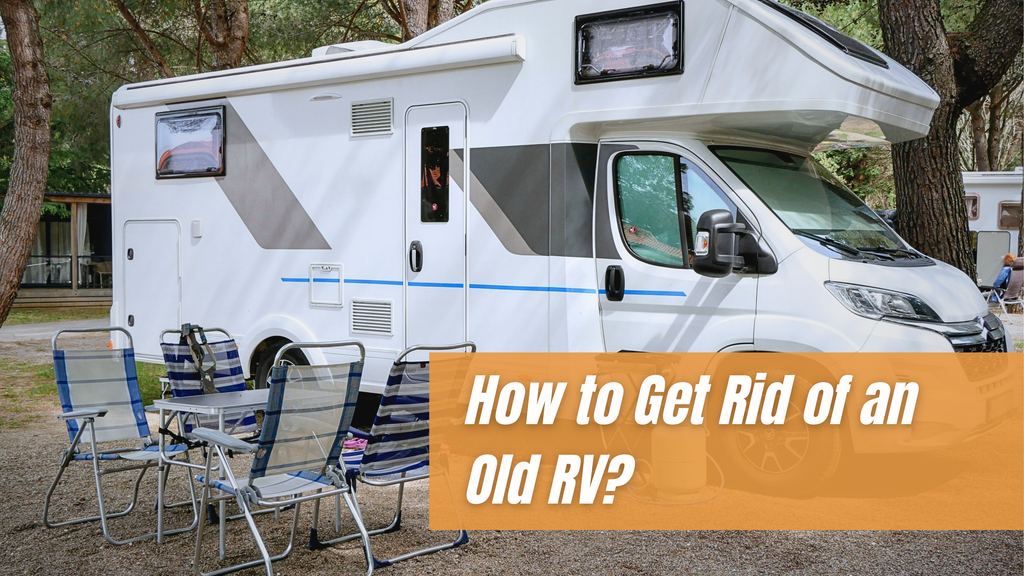
How to Get Rid of an Old RV by Assessing Its Condition
Before deciding what to do with an old RV, take a close look at its overall condition. Some recreational vehicles still have value despite cosmetic damage, while others may be too deteriorated to repair practically. Your RV’s condition will help determine whether selling, donating, salvaging, or disposing of it makes the most sense.
Check the body, roof, interior, wheels, tires, and major mechanical components. Water damage, mold, rust, broken windows, and structural problems may reduce the vehicle’s value. If the engine no longer works or the trailer has serious frame damage, moving it may also require specialized towing services.
Consider whether repairs would cost more than the vehicle is worth. If the RV has sat unused for years, you may find restoring it is no longer financially practical. In that situation, exploring RV removal options can save time and prevent further deterioration on your property.
Explore Your Options for Old RVs Before Disposal
Not every unwanted rig needs to go straight to the junkyard. Depending on its condition, you may be able to recover some of its value or find another use for it. Exploring your options first helps you avoid unnecessary expenses and choose a solution that fits your circumstances.
If the RV still runs and has a usable interior, consider selling it privately or contacting a buyer who specializes in older recreational vehicles. A non-running model may still interest salvage yards or buyers looking for repairable units and replacement parts.
Donation may also be possible when an organization accepts recreational vehicles and your RV meets its requirements. However, campers with extensive structural damage or missing components may have limited resale or donation options.
When the vehicle has little remaining value, professional removal and responsible disposal may be the most convenient route. Hoss Junk Removal can help you explore suitable junk removal options for your cleanup needs, so you can focus on clearing your property without taking on every task yourself.
When Camper Removal Becomes the Practical Choice
An unused camper can quickly become more than an eyesore. It may take up a parking space, block access to a garage, or become an increasingly difficult maintenance problem. Rain, sunlight, and changing temperatures can also worsen existing damage.
Camper removal becomes particularly useful when the vehicle has a leaking roof, extensive mold, deteriorated flooring, or structural damage that makes restoration unrealistic. Old campers can also attract pests or collect standing water if their windows, doors, or roof are compromised.
Before arranging removal, identify any access restrictions around the vehicle. Narrow driveways, low branches, soft ground, and limited turning space can affect how the unit is moved. Sharing these details with the removal provider helps establish a realistic plan.
Hoss Junk Removal can assist with general junk and property cleanup needs that may accompany a camper disposal project. For the RV itself, confirm whether the provider handles complete vehicle removal or whether a specialized RV transporter is required.
Understand Disposal Services and Responsible Waste Handling
Getting rid of a recreational vehicle involves more than moving a large object off your property. RVs often contain mixed materials, including metal framing, wood, insulation, plastic, glass, appliances, and upholstery. Some components may be recyclable, while others require appropriate waste disposal.
Responsible disposal begins with identifying materials that should not be handled like ordinary household junk. Depending on the RV’s condition, these may include batteries, fuel, engine oil, propane cylinders, coolant, and other potentially hazardous substances.
Never puncture, dismantle, or dispose of these materials casually. Contact an appropriate waste facility or qualified service provider for guidance on safe handling. Rules for accepting RVs, separating materials, and managing hazardous waste can vary by location.
A recycling camper approach may allow usable metal, tires, appliances, or other components to be recovered rather than sent directly to a landfill. However, recycling opportunities depend on the vehicle’s condition and the facilities available in your area.
Hoss Junk Removal can help with suitable general disposal services and related cleanup needs. Before booking, discuss the materials involved and confirm which items can be accepted, recycled, or handled through a specialized disposal facility.
Choose the Right Removal Services for a Junk Camper
Selecting the right removal provider can make a difficult cleanup much easier. However, it is important to distinguish between general junk removal and services designed specifically for recreational vehicles.
A complete junk RV may require a heavy-duty tow vehicle, suitable equipment, and a driver experienced in moving large recreational vehicles. General junk removal companies may not have the equipment or authorization needed to transport an entire motorhome or travel trailer.
When comparing removal services, ask whether the provider handles whole RVs, non-running vehicles, damaged campers, or only smaller items removed from the property. You should also confirm what the quoted price includes and whether additional charges apply for difficult access, dismantling, or disposal.
Look for a provider that communicates clearly about scheduling, accepted materials, and the expected scope of work. If the RV needs specialist transportation, request recommendations for a qualified RV removal company or vehicle salvage operator.
Hoss Junk Removal can be a helpful option for associated junk removal and property cleanup. Confirm the company’s current service capabilities before scheduling, particularly if your project involves transporting the complete RV rather than clearing surrounding debris.
When You Need Towing Services or Trailer Removal
Towing is often one of the biggest challenges when getting rid of an old RV. A vehicle that cannot start or move safely may need specialized transportation. Even a camper that appears roadworthy can be difficult to tow if its tires, brakes, hitch, or frame have deteriorated.
For motorhomes, the appropriate method depends on the vehicle’s size, weight, mechanical condition, and accessibility. Travel trailers may require a suitable tow vehicle and compatible hitch, while severely damaged units may need professional recovery equipment.
Before arranging towing services, gather the RV’s approximate dimensions, weight, location, and condition. Explain whether the tires are inflated, whether the brakes function, and whether the vehicle can roll. These details help the transporter determine what equipment is necessary.
Trailer removal can become more complicated when a unit is parked on uneven ground, behind a building, or in a tight residential space. Avoid attempting to drag a damaged trailer with an unsuitable vehicle, as this can cause further damage or create safety hazards.
Ask the towing provider where the RV will be delivered and whether the destination accepts its current condition. A clear plan helps prevent unexpected transportation problems and ensures the unwanted rig reaches an appropriate facility.
What to Know About Camper Dismantling and Salvage
When an RV is too damaged to repair, dismantling may provide another way to recover value from its remaining materials. This process involves separating reusable components and recyclable materials from parts that must be discarded.
Depending on the model and condition, salvageable items may include metal fixtures, certain appliances, cabinets, doors, lighting components, and other functional equipment. However, their value depends on demand, condition, compatibility, and removal costs.
Camper dismantling should be approached carefully. Electrical systems, batteries, pressurized containers, fuel lines, and chemical residues can present serious hazards. Structural components may also shift unexpectedly when damaged sections are removed.
For these reasons, extensive dismantling is best left to qualified professionals who have suitable equipment and understand the risks. Avoid removing components simply to make the vehicle easier to haul unless the transportation provider confirms that doing so is safe and necessary.
Salvage facilities may accept an RV as a complete unit or require specific materials to be separated first. Contact the facility before transporting anything, and verify whether it accepts the vehicle’s title status and overall condition.
Prepare Your RV for Safe and Efficient Disposal
Once you have selected a disposal method, a little preparation can prevent delays. Start by removing personal belongings, important documents, keys, and anything you want to keep. Carefully check storage compartments, cabinets, under-seat spaces, and exterior storage areas.
Next, gather any ownership documents that may be required. Depending on your location and the vehicle’s status, you may need to transfer ownership, surrender registration, or obtain a disposal receipt. Contact your local motor vehicle agency to understand the applicable requirements before the RV leaves your property.
Use this checklist to organize the process:
- Remove personal possessions, valuables, and paperwork.
- Photograph the RV’s condition before removal.
- Check title, registration, and ownership requirements.
- Identify batteries, fuel, propane, and other potentially hazardous materials.
- Confirm access, pickup arrangements, and the destination facility.
- Ask for a written estimate and clarify any additional charges.
- Keep disposal or transfer documentation for your records.
If the RV is parked on private property, make sure the removal provider can access it safely. For commercial properties, storage facilities, or larger cleanup projects, coordinate with the property manager to avoid disrupting other activities.
Hoss Junk Removal may be able to assist with related property cleanup once the appropriate RV transportation or disposal arrangements have been confirmed.
Make Old RV Disposal Easier With Professional Help
Getting rid of an old RV does not have to turn into a long, stressful project. The key is to identify the vehicle’s condition, understand your disposal choices, and work with providers equipped to handle each part of the job.
Whether you own a worn-out camper, a damaged motorhome, or an unused travel trailer, compare the costs and practical benefits of selling, salvaging, recycling, and disposal. Do not overlook safety requirements or local regulations, particularly when the RV contains fuel, batteries, or other hazardous materials.
Professional help can also make the surrounding cleanup more manageable. Instead of leaving unwanted furniture, broken equipment, and accumulated junk around the property, you can arrange suitable removal services for the items a provider accepts.
Hoss Junk Removal can help simplify your cleanup by assisting with eligible junk removal needs and helping you determine the appropriate next steps for your project. Confirm the company’s current service area and whether your specific RV or trailer can be accommodated before making arrangements.
Ready to reclaim your space? An unwanted RV should not keep your driveway, yard, or property tied up indefinitely. Contact Hoss Junk Removal to discuss your cleanup needs, ask about available removal options, and take the next step toward a cleaner, more usable space.